







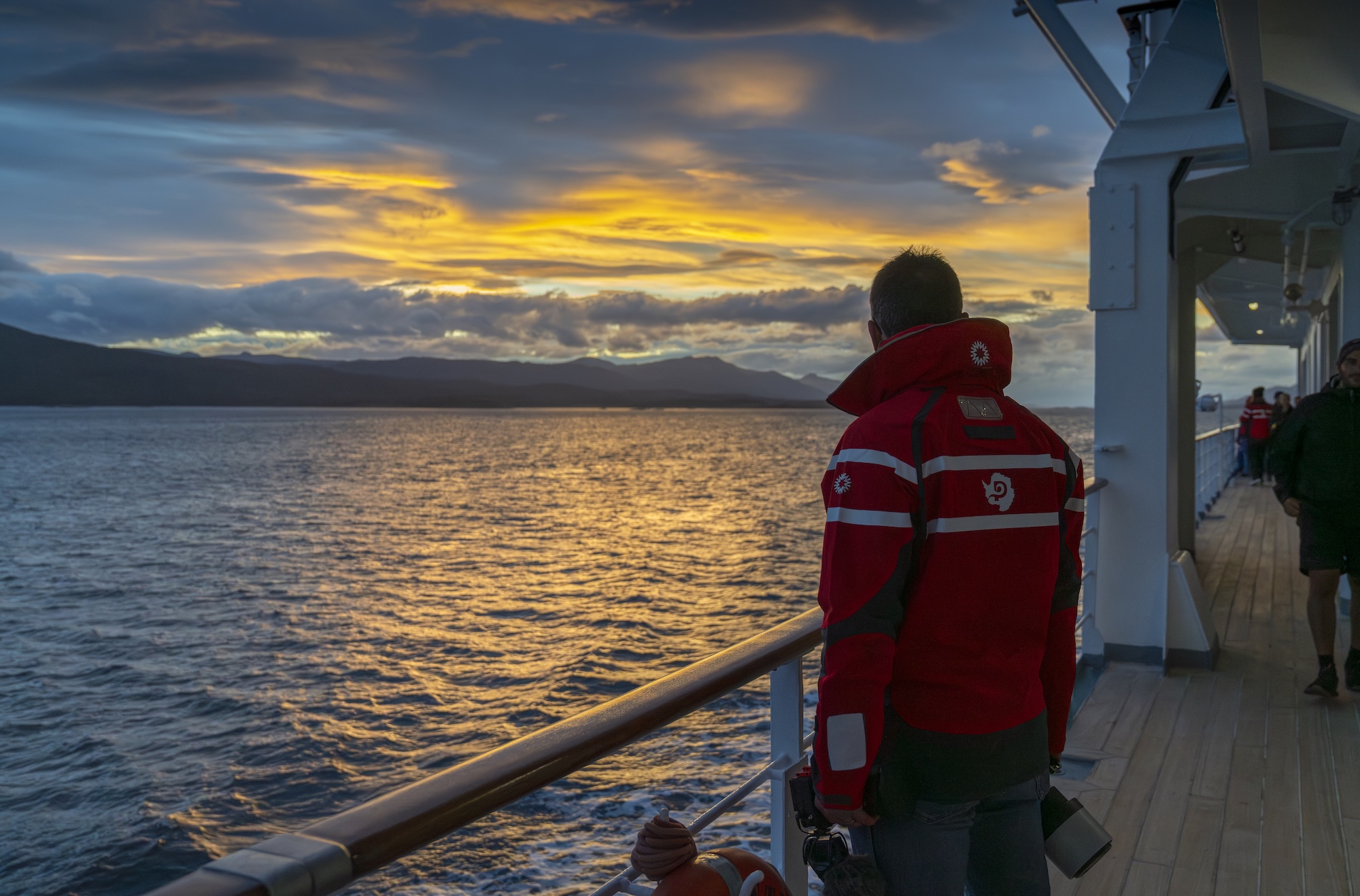
The Drake Passage has a reputation that precedes it.
Long before modern expedition ships and advanced forecasting, this stretch of ocean between South America and Antarctica was feared by sailors. It’s where the Atlantic, Pacific, and Southern Oceans collide — an unbroken band of water circling the globe, whipped by powerful currents and relentless winds. In the age of wooden ships, it claimed many. Even today, it’s often described as one of the roughest seas on Earth.
But that’s only part of the story.
I’ve now crossed the Drake Passage 17 times, and what I’ve learned is this: it’s not something to fear — it’s something to experience.

The Drake Today: Not What It Used to Be
The biggest difference between then and now is predictability.
Modern expedition ships are equipped with highly accurate weather forecasting, satellite data, and radar technology. Before any crossing, the expedition team knows what’s coming — whether it’s going to be calm, moderate, or a bit more “lively.”
And importantly, ships simply won’t depart if conditions are deemed unsafe. Anything in the range of truly extreme seas — well beyond what most people imagine — is avoided entirely. In reality, most crossings fall somewhere between calm and moderately rough, with wave heights typically managed well within safe operating limits. I wouls ay the average is around 3-4 meter swells from my experience.
So while the Drake still commands respect, that old sense of danger has largely been removed. What remains is something far more interesting: unpredictability, variety, and a genuine sense of adventure.
If you like to look at the weather maps as you sail, then use Windy - this is the app that most expedition ships use to predict the waves and weather.
17 Crossings, 17 Different Experiences
No two Drake Passages are the same.
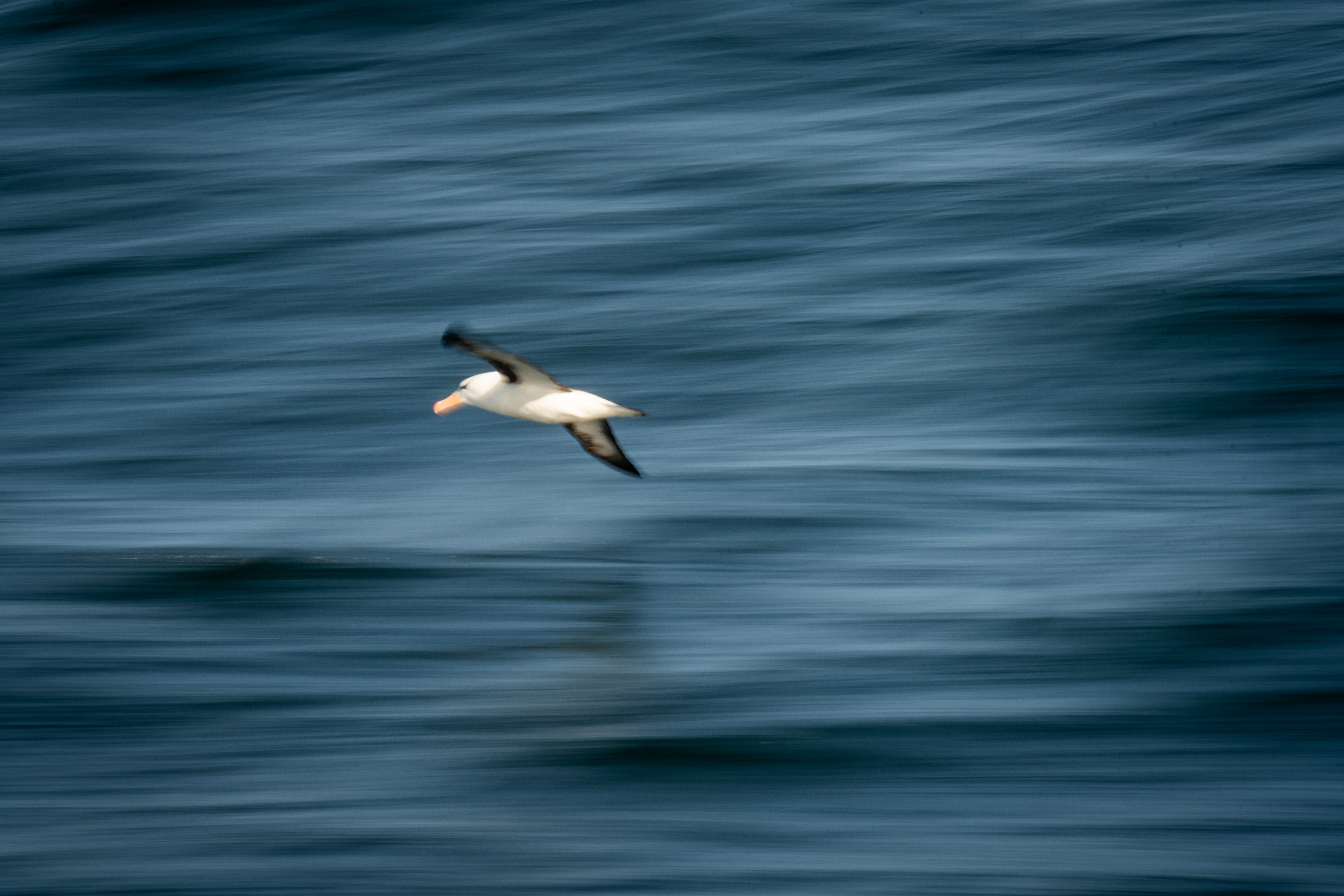
I’ve had crossings where the ocean looked like glass — barely a ripple, the ship gliding effortlessly south. These are often referred to as a “Drake Lake,” and they’re about as comfortable as it gets. You can spend hours out on deck, camera in hand, photographing seabirds as they effortlessly glide alongside the ship. There’s a peacefulness to it, a sense that you’re gently transitioning into another world.
And then there are the other crossings.
I’ve been out there in seven metre swells, where the ship rises and falls with real vigour! Plates slide on tables, footsteps become a careful balancing act and you find youtself staggering down hallways holding onto the ship rails with tight fists. The nights can feel long as you adjust to the rhythm of the ocean and your body gets moved arounhd on the bed.
But here’s the thing: both experiences have their own kind of magic.
The Drake Passage: Calm vs Rough — Two Sides of the Same Experience
One of the most fascinating things about the Drake Passage is just how different it can feel from one crossing to the next.
On a calm crossing, everything feels easy. You sleep well, you eat well, and you can spend long stretches out on deck without needing to brace yourself against the railings. It’s perfect for photography — particularly seabirds like albatrosses and petrels, which follow the ship for hours, gliding effortlessly on the wind just metres from your lens.
These calmer crossings give you the space to properly settle into the journey. You get to know your fellow travellers, attend lectures from the expedition team, and start building a deeper understanding of Antarctica — its wildlife, history, and environment. There’s a quiet anticipation that builds over those two days. You’re heading somewhere extraordinary, and the stillness of the ocean almost heightens that sense of expectation.
But then there’s the other side of the Drake.
When the swells pick up, everything becomes more visceral. You feel the ocean in a much more immediate way. The ship moves all over the place, rising and falling with the rhythm of the sea, and you’re constantly aware that you’re crossing one of the most powerful stretches of water on the planet.
These are the crossings people talk about.
Yes, they can be challenging — especially at night when you’re lying in your cabin, feeling the motion of the ship — but they’re also incredibly memorable. There’s something undeniably exciting about it. It feels like a true passage, a rite of entry into Antarctica rather than just a journey.
And interestingly, those are often the crossings I remember most vividly.
They make for better stories. They create a stronger sense of achievement. And when you finally arrive in Antarctica, stepping onto the ice after a more dramatic crossing, it somehow feels even more earned.
In the end, whether the Drake is calm or lively, both sides offer something valuable. One gives you comfort and quiet anticipation; the other gives you energy, drama, and a deeper sense of adventure.
Seasickness: Let’s Be Honest
One of the most common questions I get is about seasickness.
The reality is, some people feel it, some don’t — but it’s always better to be prepared.
Interestingly, some people get seasick dpoeending on the direction of the swell. And also interestingly, I've spent time with plenty of the ship's staff - including the expedition guides - who also get seasick from time to time.
Every expedition ship has a doctor on board, complete with a small medical clinic. At reception, seasickness tablets are readily available, and they genuinely do help. The only downside is that they can make you a little drowsy — but that’s a small trade-off compared to feeling unwell.
My personal advice? Take them before you enter the Drake.
Don’t wait to see how you feel. By the time seasickness kicks in, it’s much harder to manage. Being proactive makes a huge difference, and it allows you to enjoy the experience rather than endure it.
Why I Still Choose to Sail
These days, there’s the option to fly across the Drake Passage—and for some people, that’s absolutely the right choice.
But personally, I’ll always choose to sail.
For me, the Drake isn’t just a stretch of water to get across—it’s a fundamental part of the journey. There’s something about crossing it that makes Antarctica feel earned. You’re not simply arriving; you’re transitioning, slowly and deliberately, into one of the most remote places on Earth.
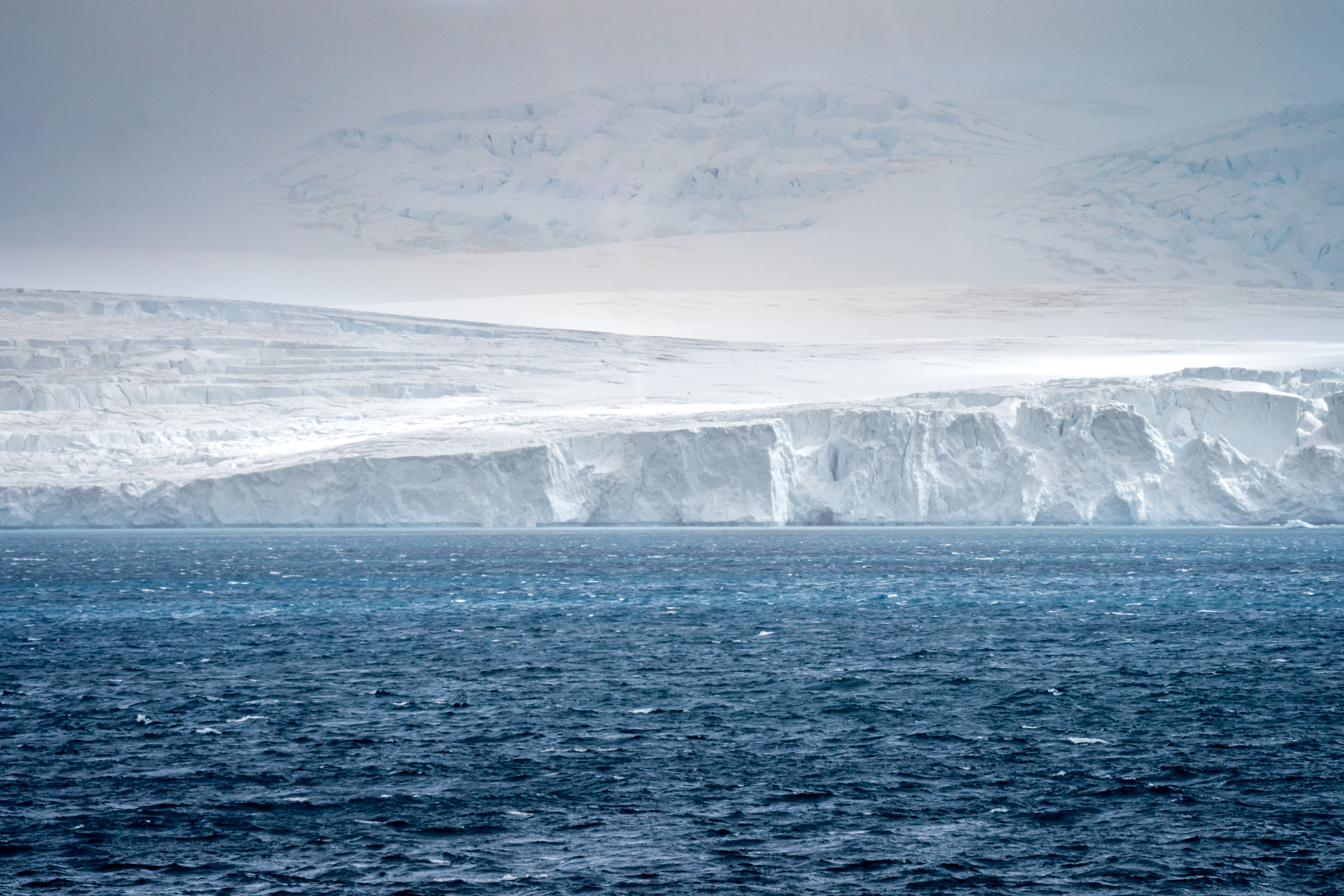
Over those two days, everything begins to change. The birdlife shifts, the air sharpens, and the first icebergs start to appear on the horizon. It builds gradually, creating a sense of anticipation that you just don’t get by flying straight in.
And it’s not just about the scenery—it’s about the experience onboard.
The Drake Passage gives you time. Time to attend your first lectures and start understanding the landscape you’re about to explore, whether that’s penguin behaviour, polar history, or the fragile ecosystems that make Antarctica so unique. It’s when your gear goes through biosecurity checks, ensuring nothing foreign is introduced into this pristine environment.
More than anything, it’s when you begin to slow down.
You disconnect from the outside world, settle into the rhythm of the ship, and start to shift your mindset. By the time you reach Antarctica, you’re not just physically there—you’re mentally ready for it.
After 17 crossings, I’ve come to see the Drake Passage not as something to worry about, but as something to embrace.
Yes, it can be calm. Yes, it can be rough. But it’s always an experience.
For more information on the Drake Passage and seasickness, please click here